Time Series Analysis and Forecasting
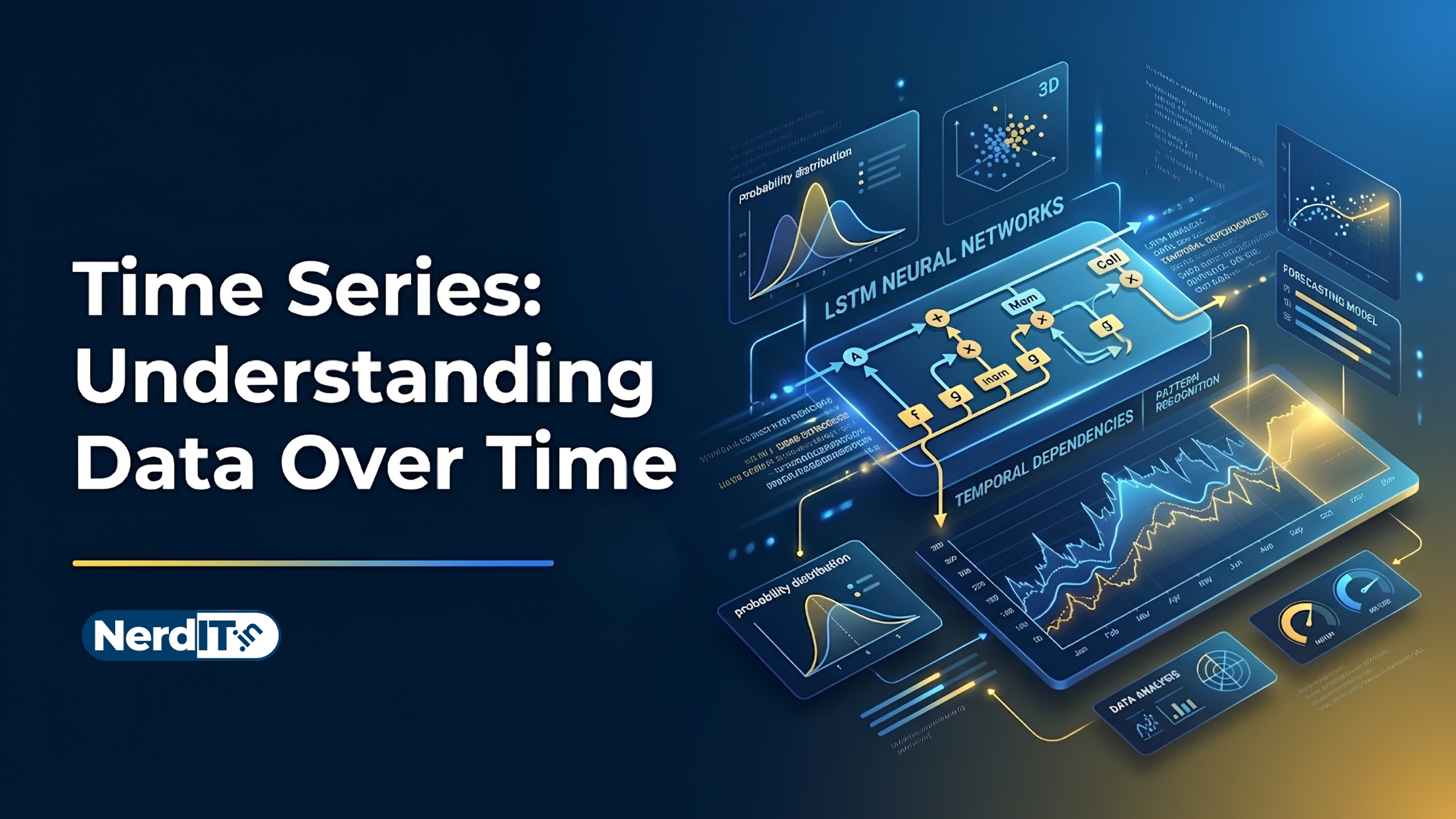
Learn how to analyze and forecast data collected over time using statistical and machine learning techniques. This course covers trends, seasonality, forecasting models, data visualization, moving averages, ARIMA concepts, and practical analysis using Python and data analytics tools. Ideal for students, analysts, and professionals interested in predictive analytics and business forecasting.
What's included
20
Lessons
5h 11m
Duration
Certificate
What you'll learn
Skills and outcomes you'll walk away with
1. Introduction to Time Series Foundations
2. Components of Time Series Analysis
3. Data Preprocessing and Resampling
Practical Project - 1
4. Smoothing and Moving Averages
5. Stationarity and Statistical Testing
Course curriculum
20 lessons • 5h 11m total
Time Series Analysis and Forecasting20 lessons
1. Introduction to Time Series Foundations
2. Components of Time Series Analysis
3. Data Preprocessing and Resampling
Practical Project - 1
4. Smoothing and Moving Averages
5. Stationarity and Statistical Testing
6. Autocorrelation Analysis
Practical Project - 2
7. Classical Forecasting: ARIMA Family
8. Multivariate Time Series Modeling
9. Advanced Exponential Smoothing (ETS)
Pratical Project - 3
10. Machine Learning for Forecasting
11. Deep Learning for Sequence Modeling
12. Modern Forecasting Frameworks
Practical Project - 4
13. Financial Time Series & Volatility
14. Anomaly Detection and Change Points
15. Model Evaluation and Deployment
Practical Project - 5
Certification path
Certification exam
45 multiple-choice questions • 70% passing score required
Comprehensive Time Series Analysis and Forecasting Project
For this final assignment, you will choose a real-world time series dataset of your choice (e.g., historical stock prices, monthly climate data, or hourly electricity demand). Your task is to perform a complete end-to-end analysis. This includes: 1) Exploratory Data Analysis (EDA) to identify patterns, outliers, and missing values; 2) Data preprocessing and transformations; 3) Testing for stationarity using the Augmented Dickey-Fuller (ADF) test; 4) Decomposing the series into trend, seasonal, and residual components; 5) Building and comparing at least two different forecasting models, such as ARIMA/SARIMA and Exponential Smoothing or Prophet; and 6) Evaluating the performance using metrics like MAE and RMSE, followed by a 12-period-ahead forecast with confidence intervals.
Verified certificate
Earn a verified PDF certificate with unique verification ID upon completion • ₹299
Related courses
More free AI & Data Science courses with verified certificates
 Mathematics for Data Science: Linear Algebra & CalculusBeginner
 Machine Learning FundamentalsIntermediate
 Mastering Linear Regression: Theory & ImplementationBeginner
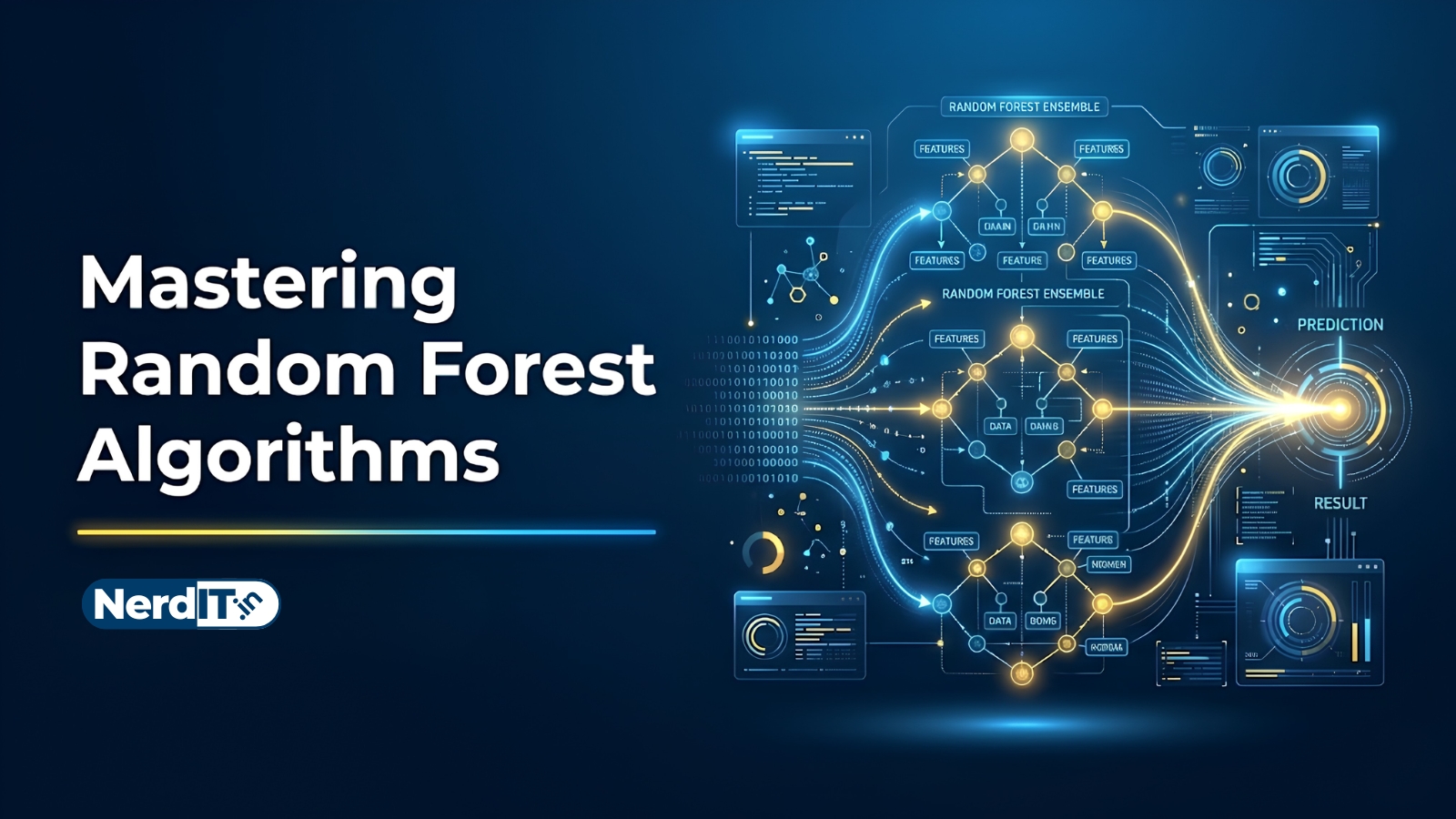 Mastering Random Forest AlgorithmsIntermediate
Reviews & ratings
No reviews yet — be the first!
Free
Free course — learn at your own pace
Certificate: ₹299
Your certificate preview
₹299 — pay only to certify
NIT-8F3K-2Q7AThis is to certify that
has successfully completed the course
- Unique verification ID — provably genuine
- Shareable & ready for your LinkedIn profile
- Verifiable by anyone, anytime on our verify page
- Learn 100% free — the certificate is optional