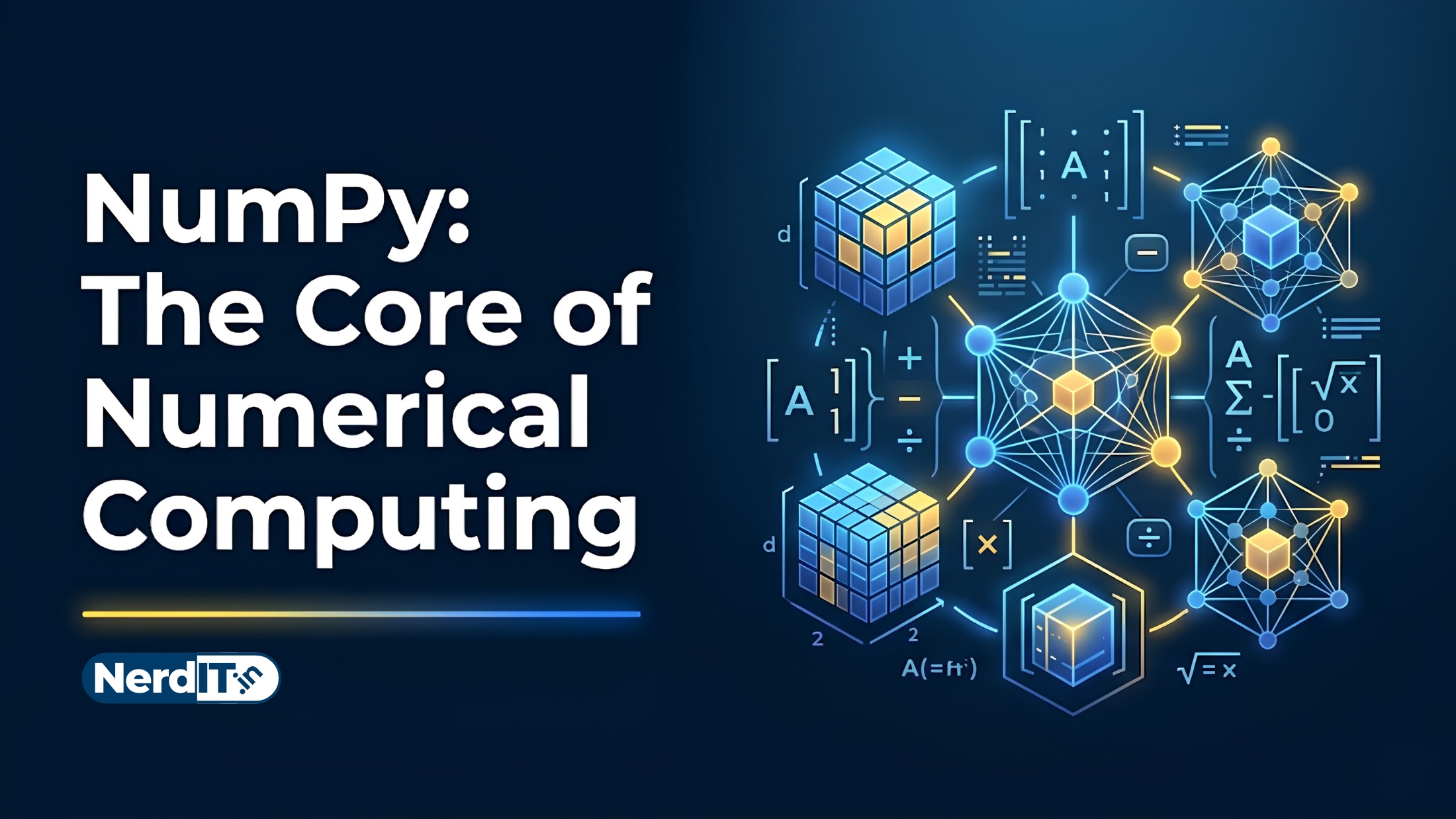
NumPy: The Core of Numerical Computing
NumPy is a fundamental Python library for numerical computing. It provides fast and efficient array operations, mathematical functions, and tools for handling large datasets, forming the backbone of data science and machine learning workflows.
What's included
20
Lessons
5h 51m
Duration
Certificate
What you'll learn
Skills and outcomes you'll walk away with
Introduction to NumPy
Python Foundations for NumPy
Installing and Setting Up NumPy
NumPy Arrays and Data Structures
Array Indexing and Slicing
Array Operations and Broadcasting
Course curriculum
20 lessons • 5h 51m total
NumPy: The Core of Numerical Computing20 lessons
Introduction to NumPy
Python Foundations for NumPy
Installing and Setting Up NumPy
NumPy Arrays and Data Structures
Array Indexing and Slicing
Array Operations and Broadcasting
Mathematical and Statistical Functions
Linear Algebra with NumPy
Random Number Generation and Simulation
Data Cleaning and Preprocessing
NumPy for Data Analysis
Data Visualization Integration
NumPy with Pandas and Data Science Tools
Machine Learning Foundations with NumPy
Deep Learning and AI Applications
Performance Optimization and Memory Management
Avanced NumPy Techniques
Real-World Data Analysis Projects
AI Model Development Workflows
Expert-Level NumPy and AI Engineering
Certification path
Certification exam
57 multiple-choice questions • 70% passing score required
Final Project: Multidimensional Analysis and Vectorized Signal Processing
This final project requires you to build a comprehensive numerical analysis pipeline using NumPy. You will simulate and process complex sensor data to demonstrate your mastery of array manipulation and performance optimization. Tasks include: 1. Data Synthesis: Create a 3D NumPy array (shape: 1000, 10, 5) representing time-series data for 10 sensors across 5 different experimental conditions using a combination of normal and uniform distributions. 2. Preprocessing: Utilize boolean indexing and masking to identify and replace simulated missing values (NaNs) and apply a Min-Max normalization across the temporal axis for each sensor. 3. Statistical Analysis: Calculate the mean, standard deviation, and peak-to-peak values for each sensor-condition pair using specified axis parameters. 4. Linear Algebra: Compute the correlation matrix for the sensors and derive the principal components of the data using np.linalg.eig to understand sensor dependencies. 5. Performance Optimization: Implement a custom signal smoothing function (moving average) using NumPy's broadcasting or stride tricks and provide a benchmark comparison against a standard Python for-loop implementation. Your final submission must be a Jupyter Notebook or a clean Python script including inline documentation.
Verified certificate
Earn a verified PDF certificate with unique verification ID upon completion • ₹299
Related courses
More free AI & Data Science courses with verified certificates
 Mathematics for Data Science: Linear Algebra & CalculusBeginner
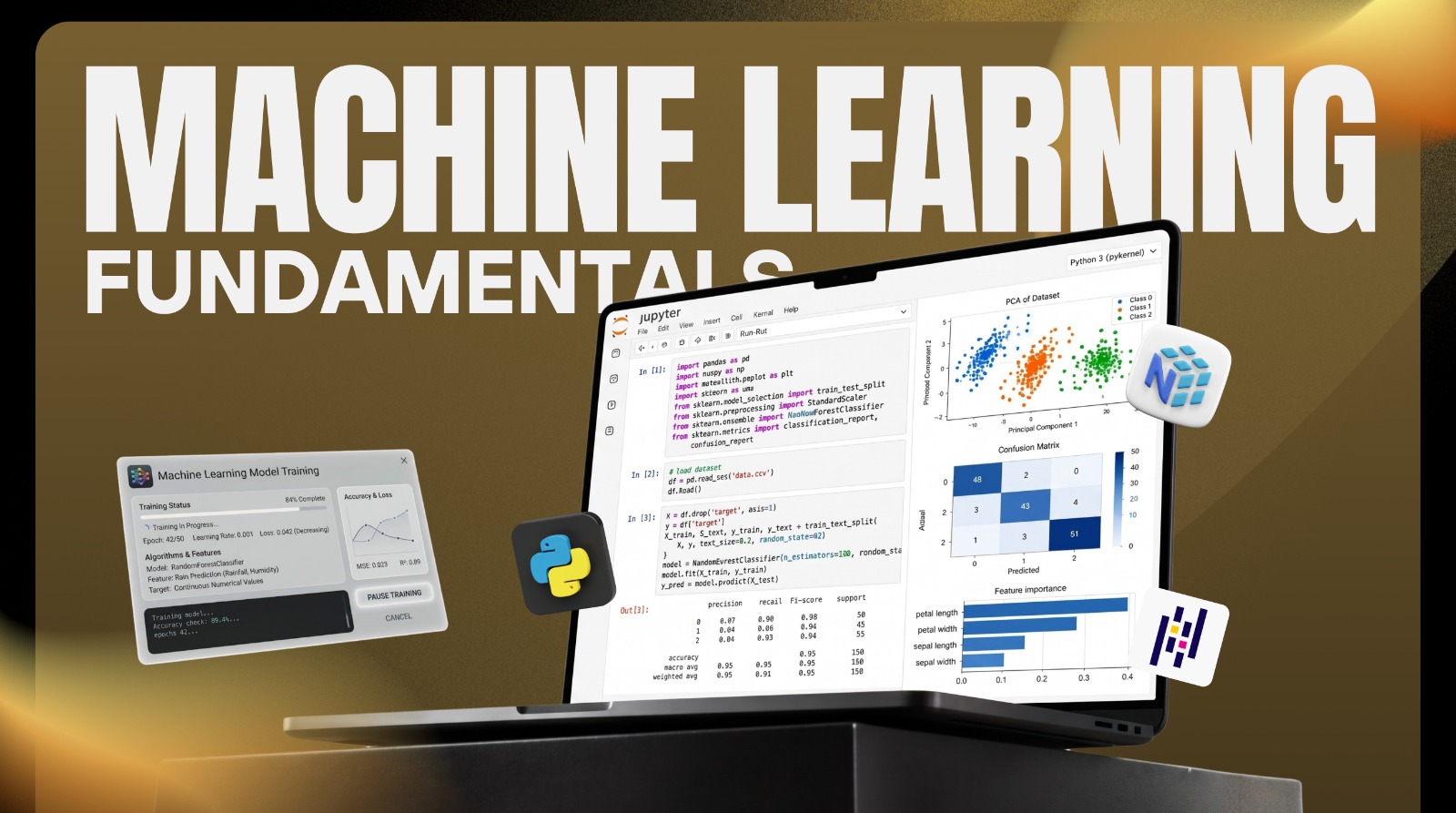 Machine Learning FundamentalsIntermediate
 Mastering Linear Regression: Theory & ImplementationBeginner
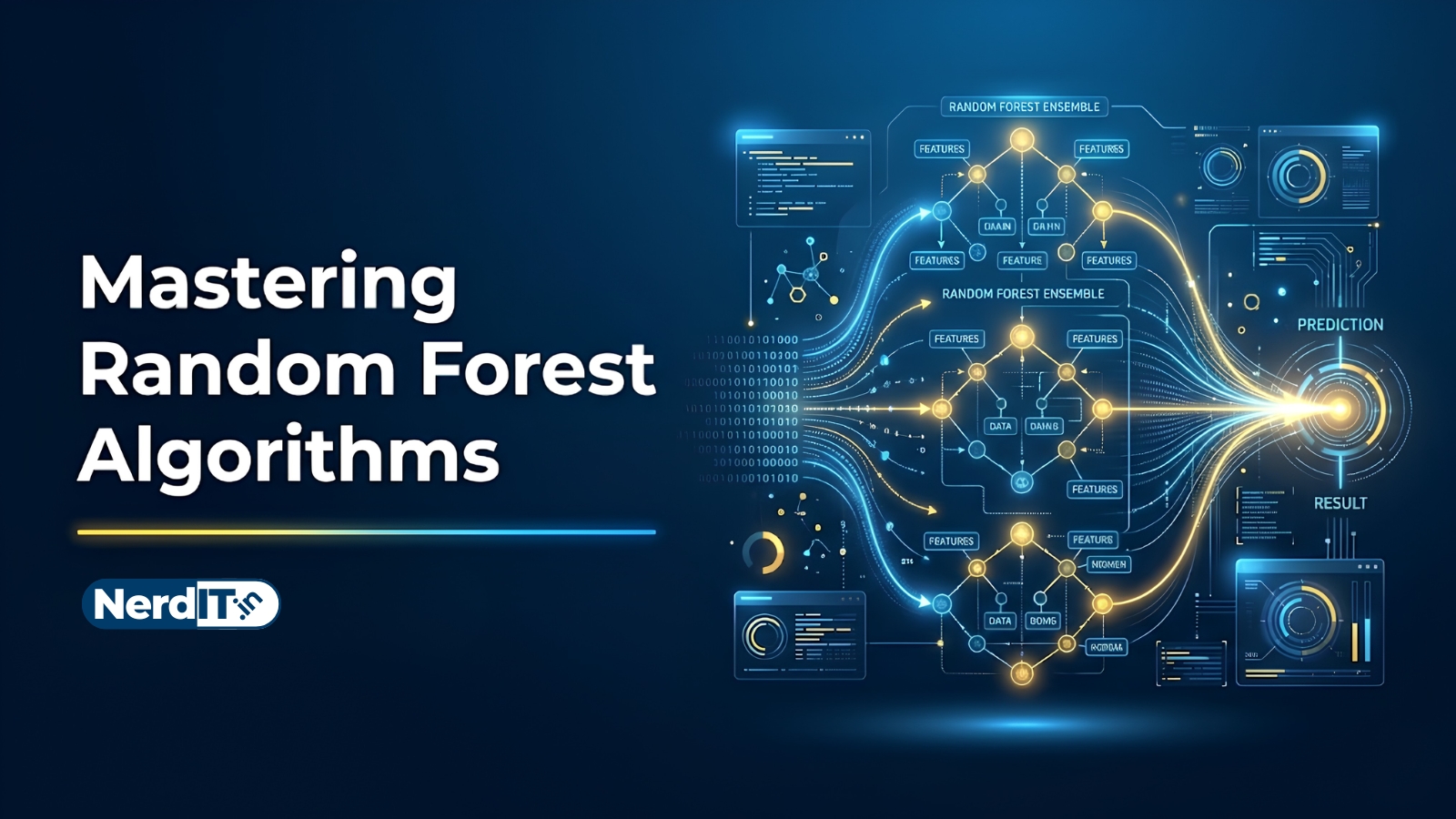 Mastering Random Forest AlgorithmsIntermediate
Reviews & ratings
No reviews yet — be the first!
Free
Free course — learn at your own pace
Certificate: ₹299
Your certificate preview
₹299 — pay only to certify
NIT-8F3K-2Q7AThis is to certify that
has successfully completed the course
- Unique verification ID — provably genuine
- Shareable & ready for your LinkedIn profile
- Verifiable by anyone, anytime on our verify page
- Learn 100% free — the certificate is optional